Sleep better without CPAP. Can't tolerate your CPAP? Oral appliances offer an effective alternative for mild to moderate sleep apnea and snoring.


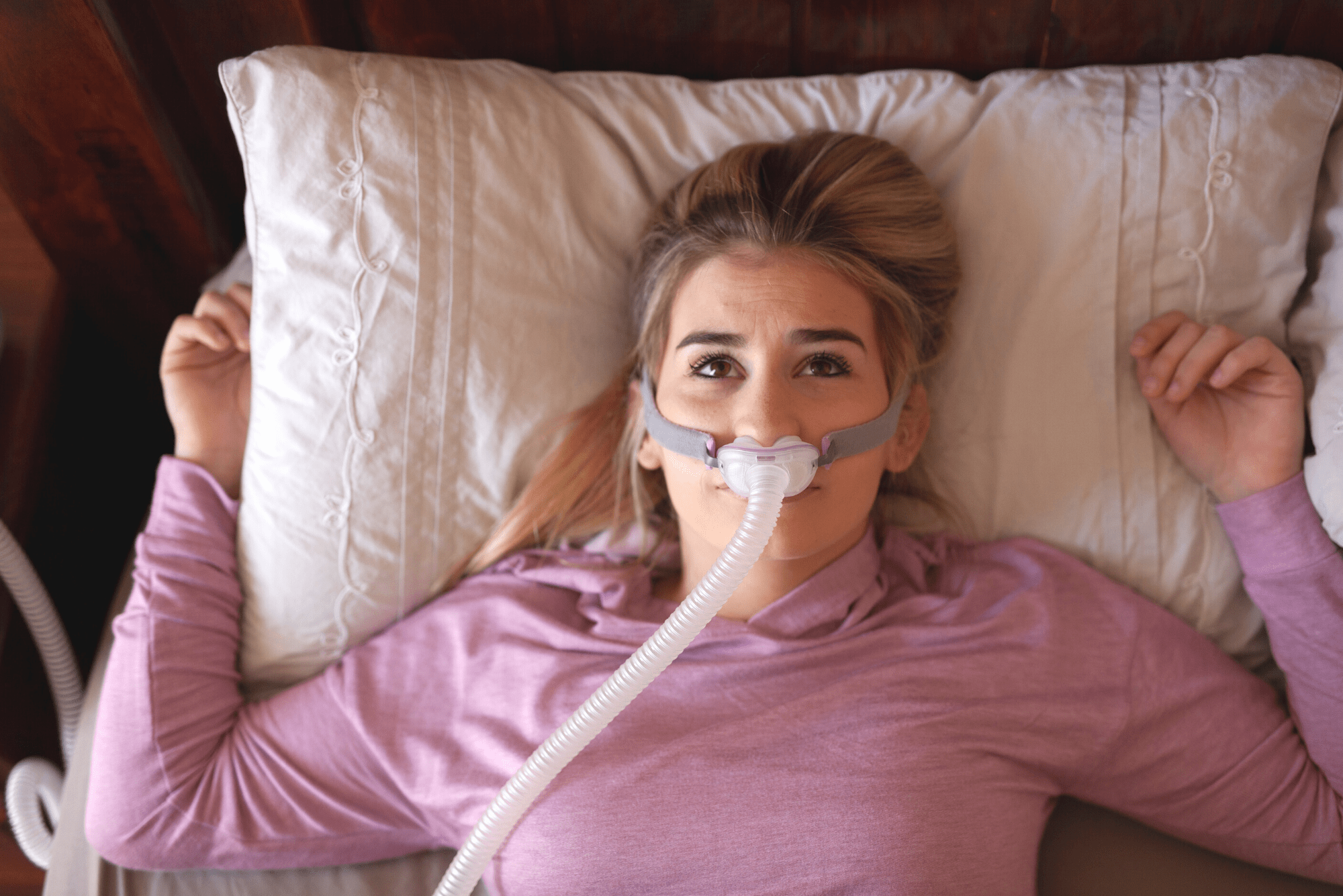
The problem with CPAP: 50% of patients can't tolerate it. Uncomfortable, noisy, impractical for travel, relationship issues.
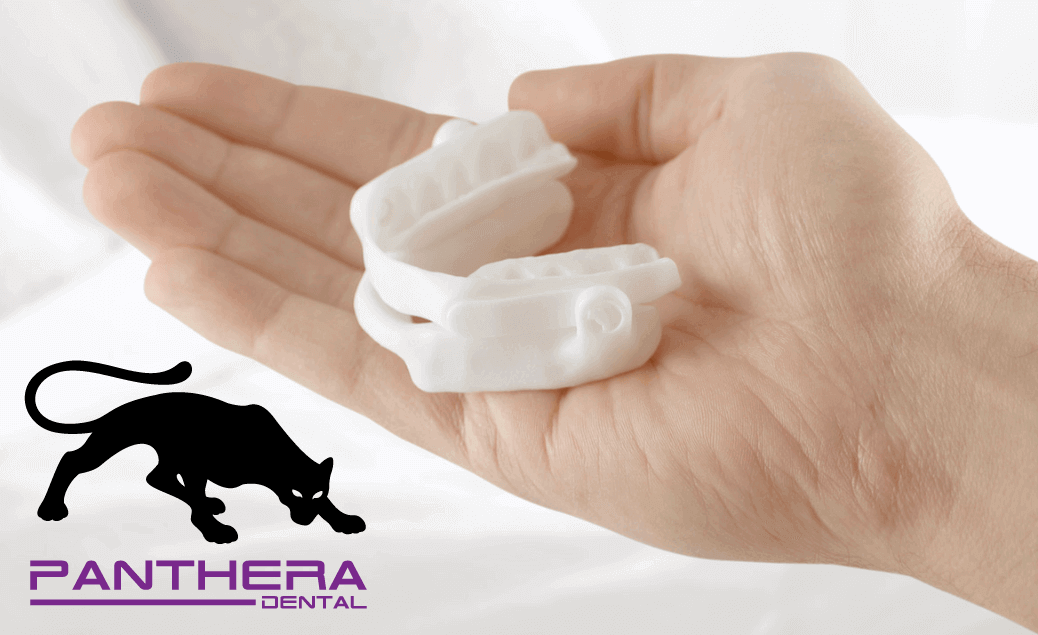
The appliance holds your lower jaw slightly forward during sleep, which opens the airway, prevents the tongue from blocking the throat and reduces vibrations.
We offer several mandibular advancement device models, all custom-made from a 3D scan of your teeth.
Sleep test (polysomnography or home test), prescribed by your physician.
Evaluation of your bite and TMJ, verification of your candidacy, 3D scan.
Custom-made appliance, precise adjustment at delivery.
Progressive jaw advancement to find the optimal position. Follow-up sleep test.
Call us: 450.983.4233
« My CPAP was collecting dust. The oral appliance is so much simpler and more comfortable. My wife confirms I no longer snore. »
Andre, 58« I travel often for work. The appliance fits in my pocket. No more bulky machine. »
Pierre, 45, businessman« My sleep has completely changed. I wake up rested for the first time in years. »
Louise, 52Discover our transformations and real results on our main website.
View our treated cases| Criteria | Oral Appliance | CPAP |
|---|---|---|
| Comfort | ★★★★ | ★★ |
| Portability | ★★★★★ | ★★ |
| Efficacy (mild-moderate) | 70-80% | 90%+ |
| Efficacy (severe) | Limited | ★★★★★ |
| Compliance | Higher | 50% abandoned |
For mild to moderate sleep apnea: yes, comparable efficacy (70-80%). For severe sleep apnea: CPAP remains superior.
1-2 week adjustment period. After that, most patients forget they are wearing it. Much more comfortable than a CPAP mask.
Possible but manageable: excessive salivation (temporary), slight dental sensitivity upon waking, muscle tension (adjustable).
Often partially. With a medical prescription and sleep test diagnosis, several insurance plans reimburse a portion.
Generally yes. Like CPAP, it is a treatment, not a cure. Some patients lose weight and can reduce usage.
Upon evaluation
Candidacy assessment + 3D scan
Upon evaluation
Fabrication + adjustment + titration + follow-up
Possible
With medical prescription and sleep test
Answer these 5 questions to find out if an oral appliance could help you.
1. Do you snore regularly (more than 3 nights per week)?
2. Do you wake up tired even after a full night's sleep?
3. Has your partner observed breathing pauses during your sleep?
4. Have you tried CPAP but have difficulty tolerating it?
5. Do you suffer from excessive daytime sleepiness (urge to sleep while driving, working)?
If you snore, have mild to moderate sleep apnea, or can't tolerate your CPAP, an oral appliance could transform your nights.