What is the temporomandibular joint (TMJ)?

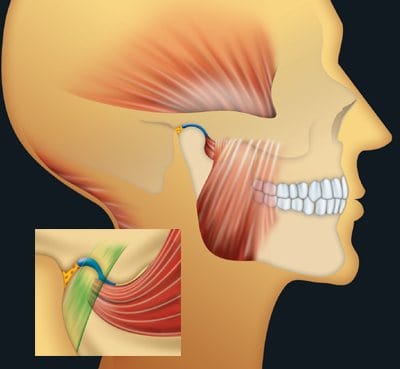
The temporomandibular joint (TMJ) is the joint that connects your lower jaw (mandible) to the temporal bones of your skull, on each side of your face, just in front of the ears. It is one of the most complex and most used joints in the human body.

The TMJ allows you to speak, chew, yawn and swallow. It functions through a precise system of muscles, ligaments and an articular disc that absorbs the enormous pressures generated during chewing and prevents friction between the bones.

TMJ disorders (also called temporomandibular disorders or TMD) occur when this joint or the muscles surrounding it do not function properly, causing pain, limited movement and various symptoms that can severely affect your quality of life.
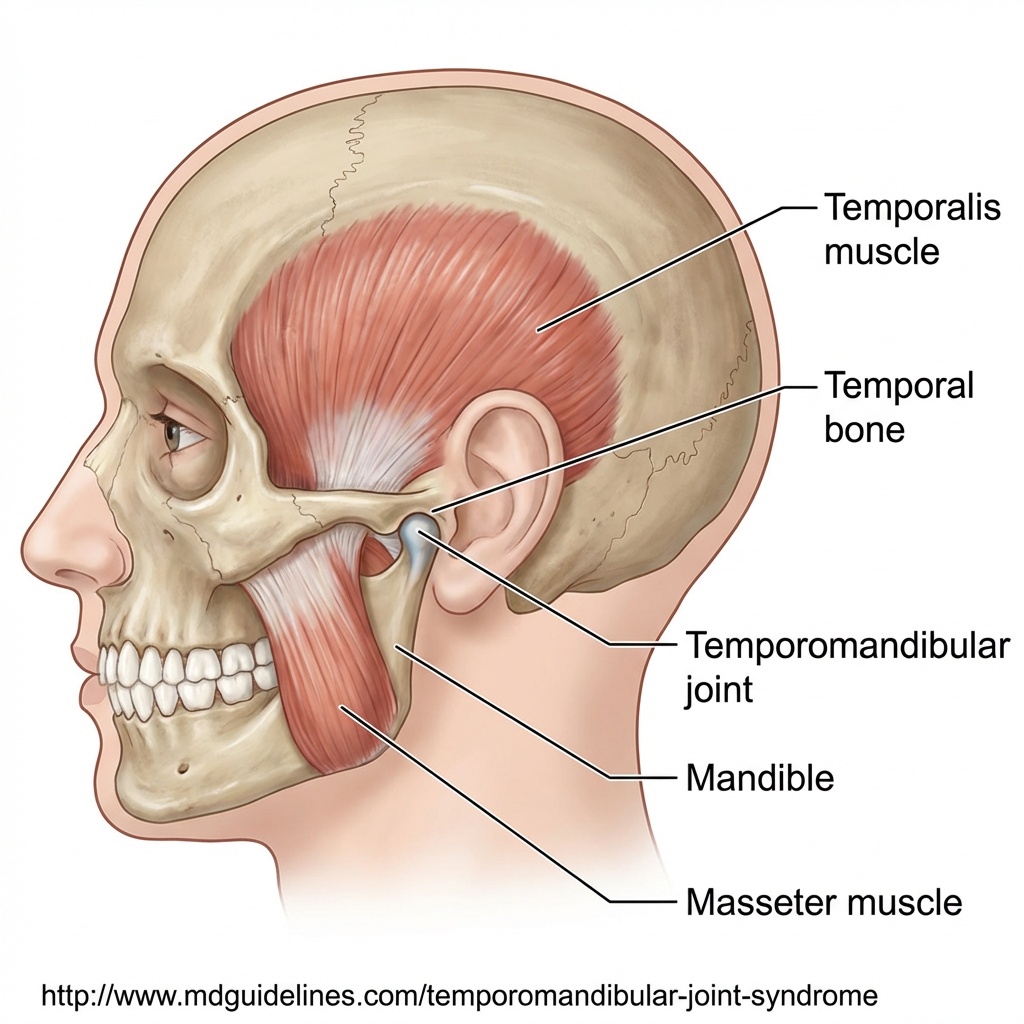

Temporomandibular joint TMJ anatomy - diagram
33%

of the population suffers from TMJ disorders

90%

improvement with appropriate treatment

3 mois

to feel significant relief

3x

more common in women aged 20 to 50

Do you recognize these symptoms?

TMJ disorders present with a combination of symptoms. You don't need to have all of them to suffer from a TMJ disorder.

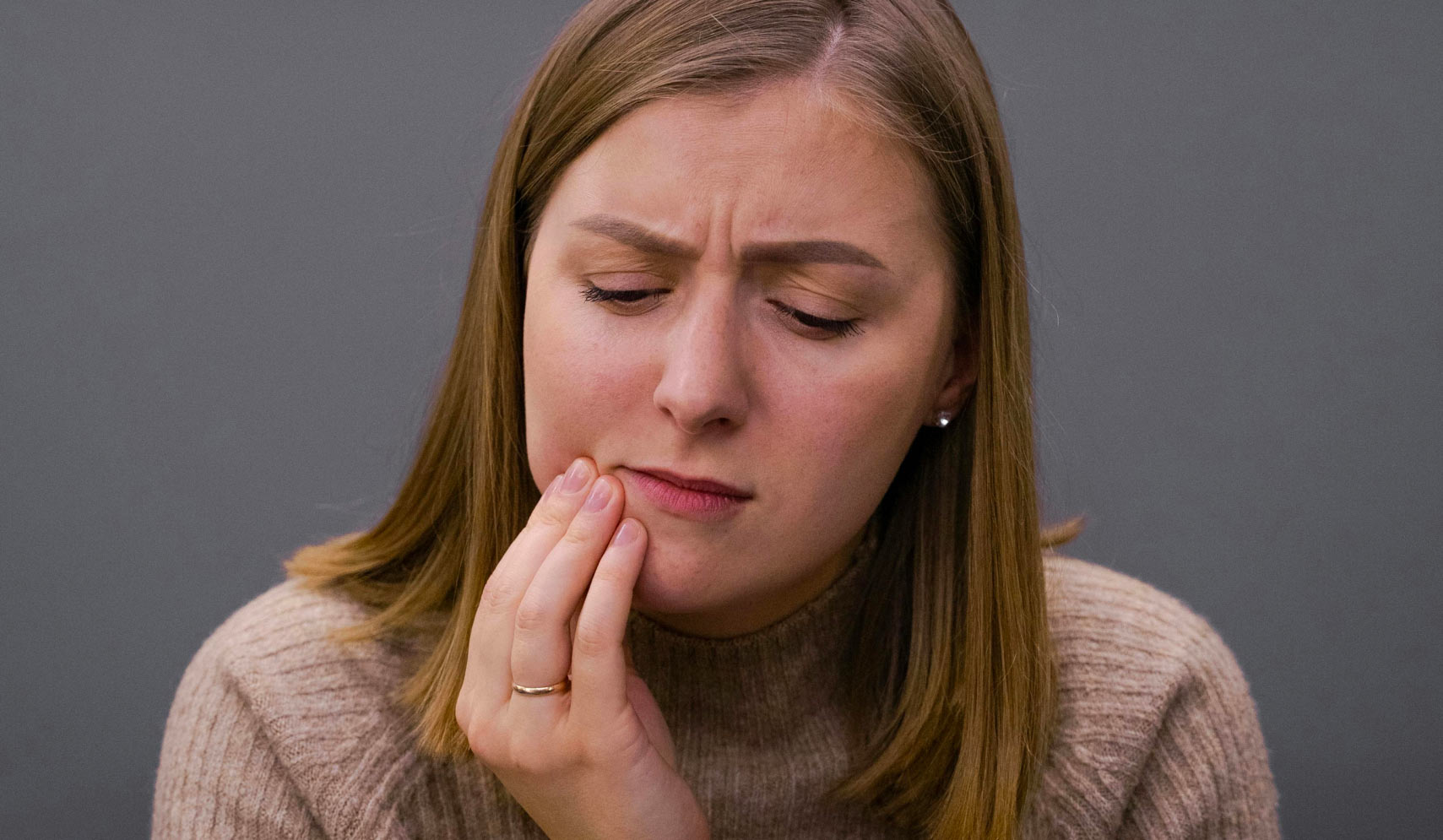
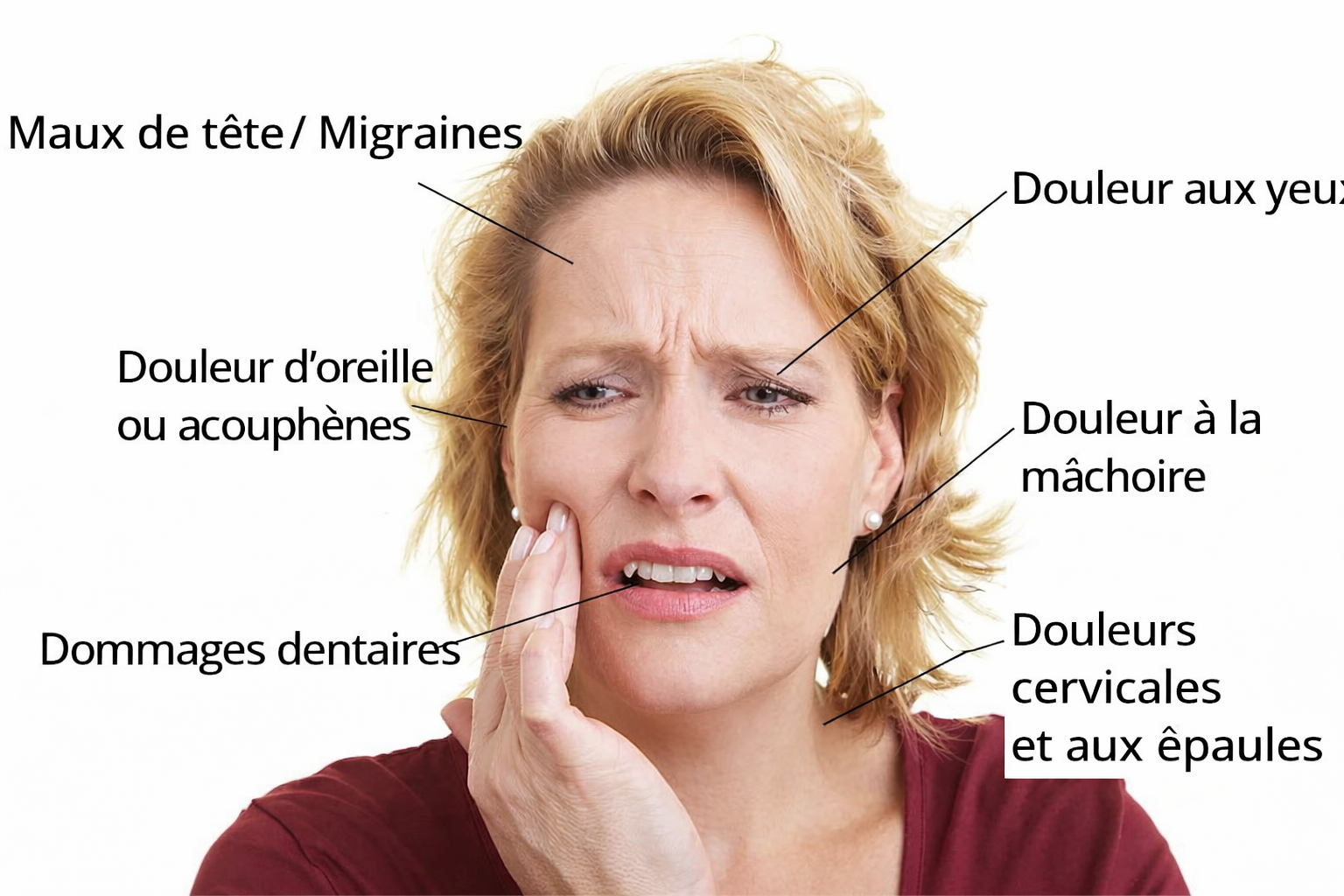
Jaw pain

Jaw pain

Dull pain in front of the ear, in the jaw muscles or at the temples. TMJ pain often intensifies during chewing, upon waking or at the end of the day.

Temporomandibular joint

Clicking and crepitus

Clicking, cracking or grinding sounds when opening or closing the mouth. They often indicate a displacement of the articular disc of the TMJ.

Chronic headaches related to TMJ

Chronic headaches

Frequent headaches, especially upon waking, caused by excessive tension in the jaw muscles. Often confused with migraines, these headaches are related to the TMJ.

Bruxism and teeth grinding

Bruxism (grinding)

Teeth grinding or clenching, often nocturnal and unconscious. Bruxism wears down teeth, fatigues the muscles and worsens TMJ pain.

Jaw locking

Jaw locking

Difficulty or inability to fully open the mouth. Normally, you should be able to insert 3 fingers vertically between your teeth. Less than that may indicate a TMJ disorder.

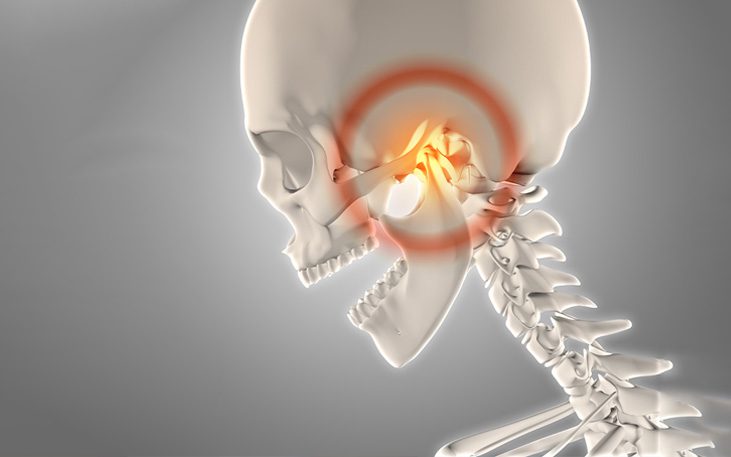
3D view of the temporomandibular joint

Ear pain

Ear pain, feeling of a plugged ear, tinnitus (ringing) and sometimes dizziness. These symptoms are often related to the proximity of the TMJ to the ear.

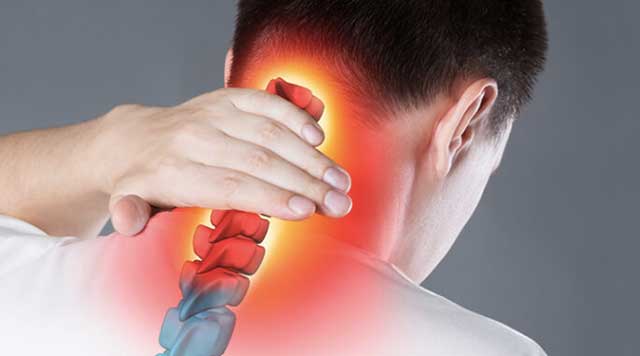
Neck pain related to TMJ disorders

Neck pain

Tension and pain in the neck, shoulders and upper back. The jaw muscles are connected to the cervical muscle chain, creating referred pain.

Do you recognize these symptoms?

Don't wait for the pain to get worse. An early diagnosis allows for simpler treatments and faster relief.

Call 450.983.4233 Book online

Specialized TMJ consultation • 3D CBCT imaging on-site

The different types of TMJ disorders

TMJ disorders encompass several distinct conditions:

Myofascial pain syndrome

The most common. Muscle pain, jaw clenching and limited mouth opening. Often linked to stress, bruxism and poor posture.

Articular disc displacement

The TMJ disc shifts from its normal position. Reducible form: clicking when opening (the disc snaps back). Non-reducible form: persistent jaw locking.

TMJ osteoarthritis

Progressive degeneration of the articular cartilage. Grinding sensation during jaw movements. Pain usually resolves within 6 months with appropriate treatment.

TMJ arthritis

Joint inflammation that can be rheumatoid, infectious or traumatic. Rheumatoid arthritis often affects both TMJs simultaneously.

TMJ disorder symptoms - headaches, jaw pain, ear pain, neck pain

Why are you suffering from TMJ disorders?

TMJ disorders generally result from a combination of factors, rarely from a single cause.

Bruxism and clenching

Teeth grinding or clenching, often nocturnal, that puts excessive pressure on the joint.

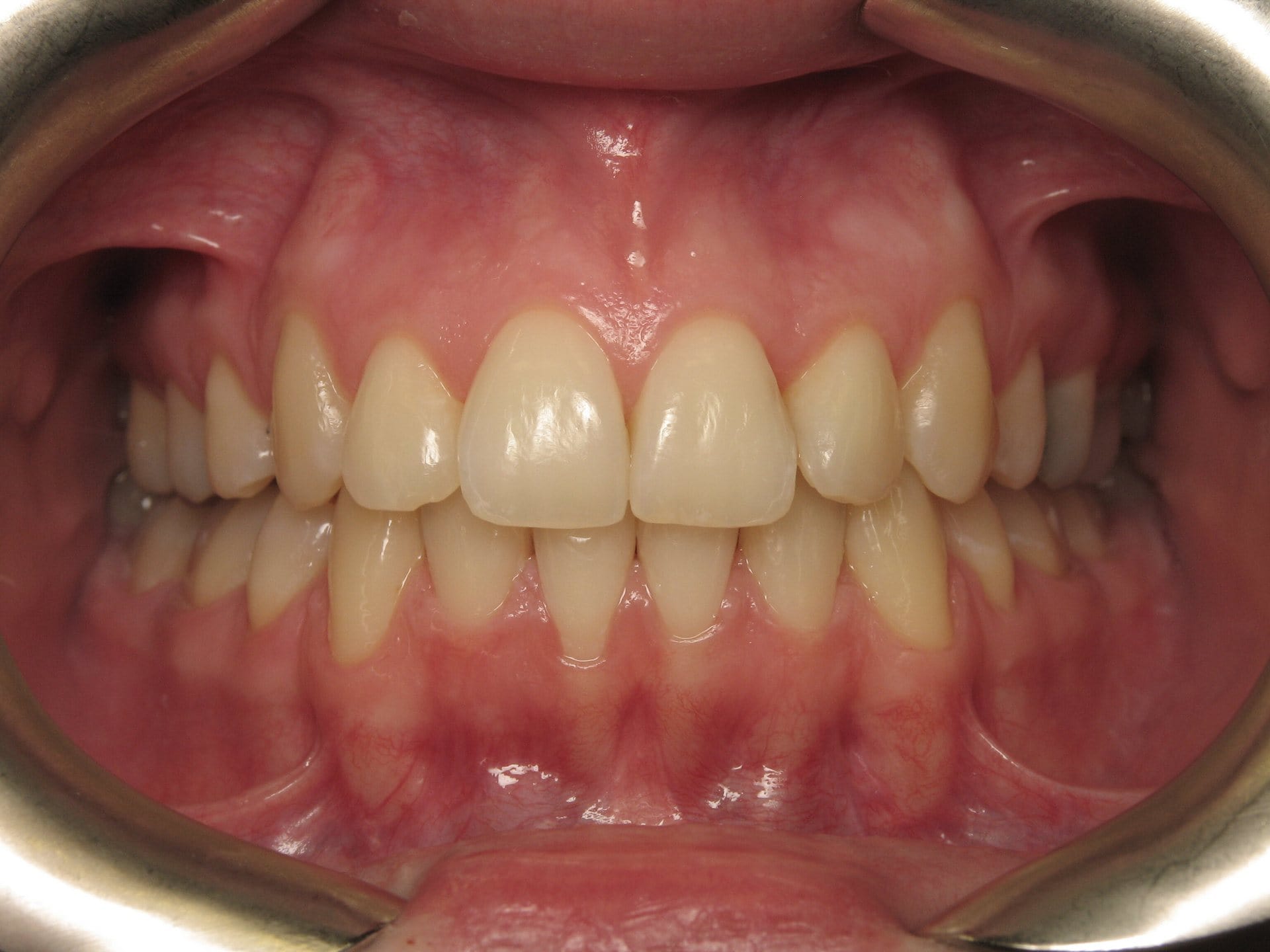
Dental malocclusion

Poor teeth alignment creates an uneven distribution of forces on the TMJ.

Stress and tension

Psychological stress causes involuntary clenching of the jaw muscles.

Trauma

Blow to the face, accident, fall or sports injury directly affecting the jaw.

Arthritis

Rheumatoid arthritis, osteoarthritis or other inflammatory conditions affecting the joint.

Sleep disorders

Sleep apnea and other disorders are closely linked to TMJ dysfunction.

Poor posture

Incorrect head and neck posture alters the natural position of the jaw.

Risk factors — Women are more frequently affected, particularly between ages 20 and 50. Repetitive gum chewing is also an aggravating factor.

How do we diagnose TMJ disorders?

1

Complete clinical examination

Palpation of the masticatory muscles and TMJ, listening for joint sounds, evaluation of mouth opening range (normal: minimum 4 cm) and analysis of your bite.

2

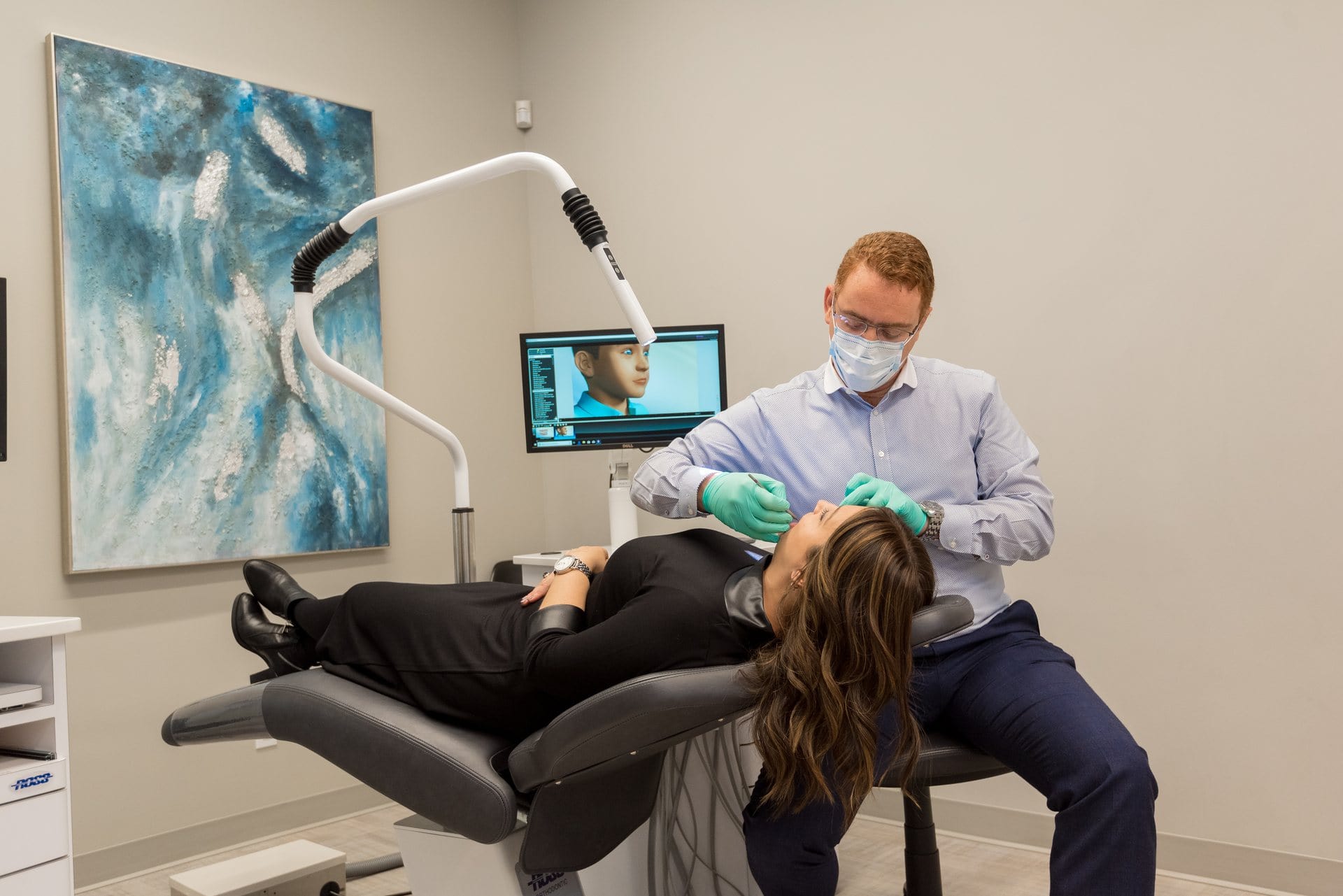
On-site 3D CBCT scanner

Our 3D imaging allows detailed visualization of the TMJ bony structures, detecting osteoarthritis, joint abnormalities and evaluating condyle position. Quick exam, immediate results.

3

Occlusal analysis

As an orthodontist, Dr Benguira precisely evaluates the relationship between your dental bite and your TMJ symptoms. This expertise is unique to the orthodontic specialty.

4

Personalized treatment plan

Identification of the specific causes of your TMJ disorder and presentation of adapted therapeutic options, from the most conservative to the most advanced.

How to treat TMJ disorders?

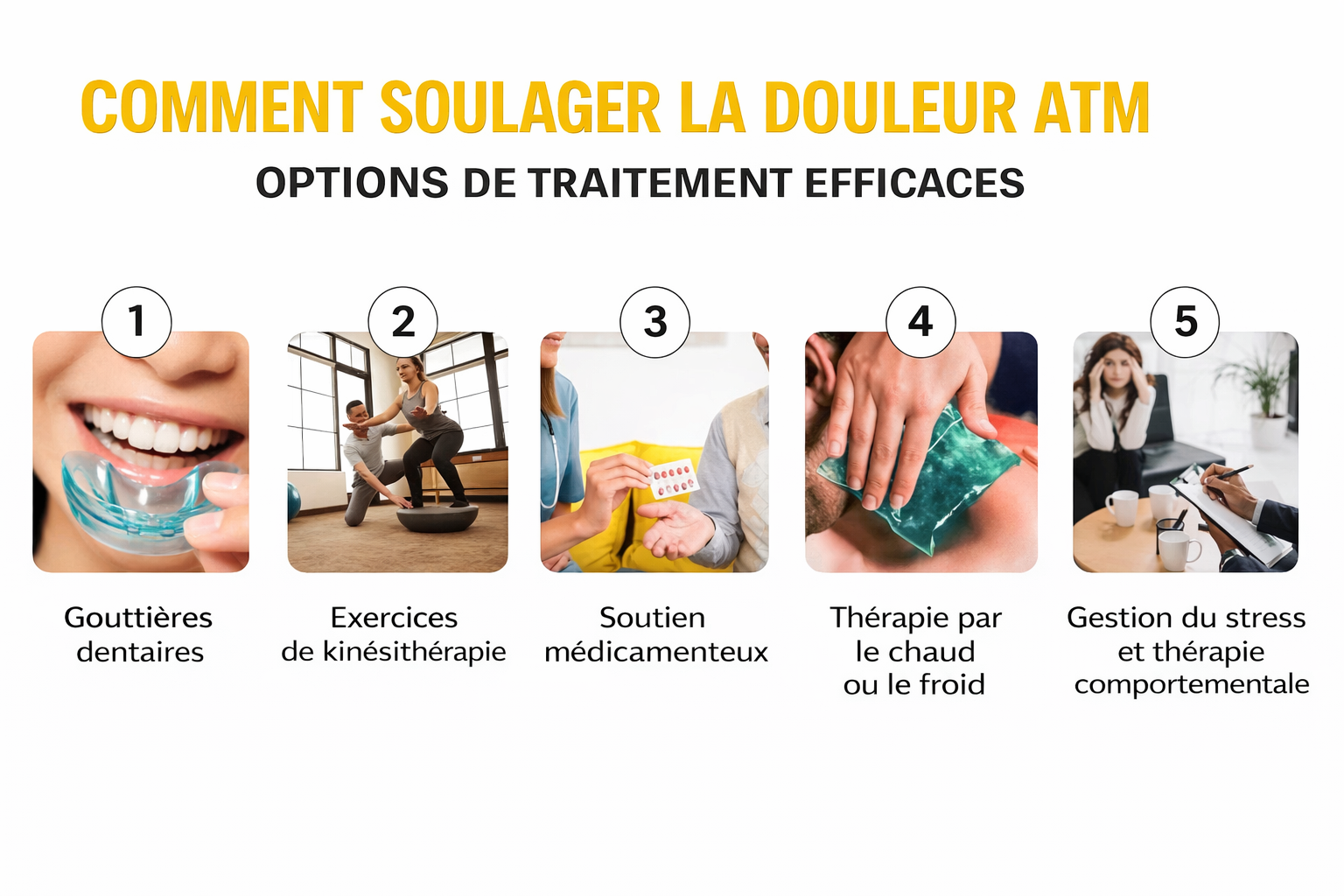
The majority of TMJ disorders respond well to conservative treatments. Most patients experience significant improvement within 3 months.

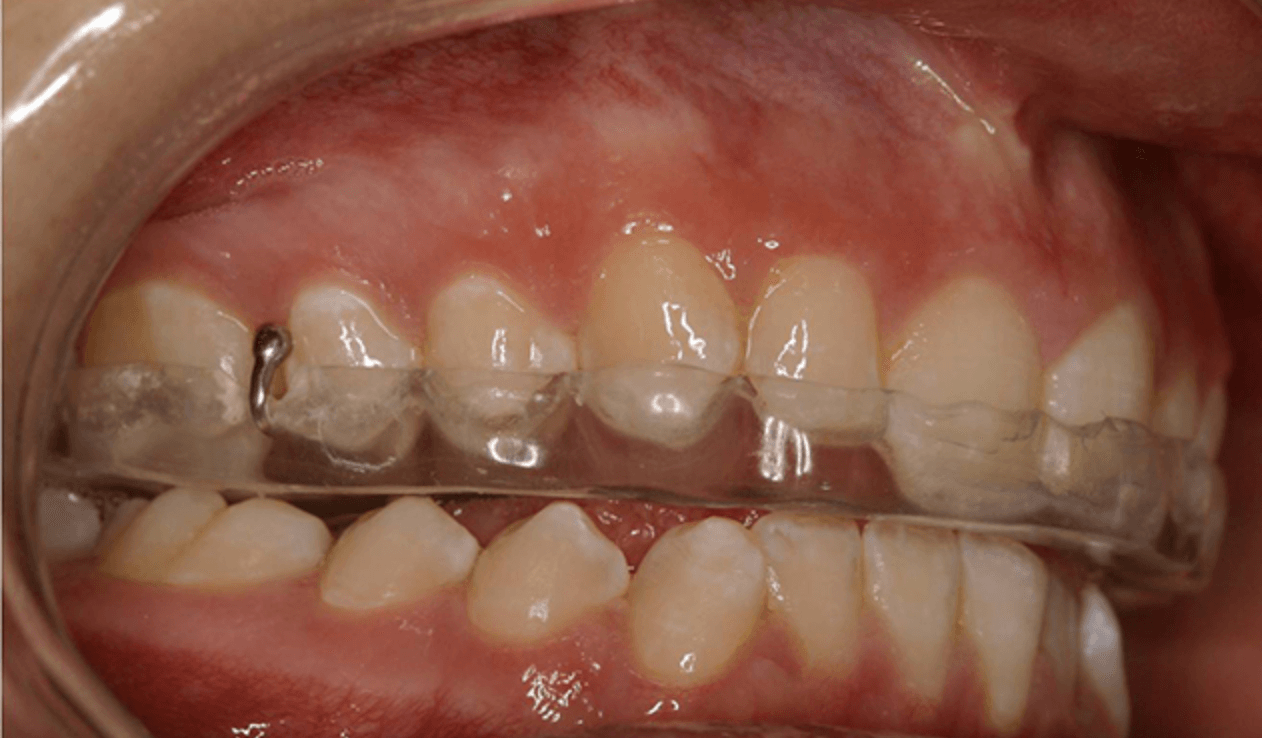
Custom occlusal splint

A thin resin appliance, precisely fitted to your teeth, worn mainly at night. The splint reduces pressure on the TMJ, protects your teeth from bruxism wear and relaxes the masticatory muscles.

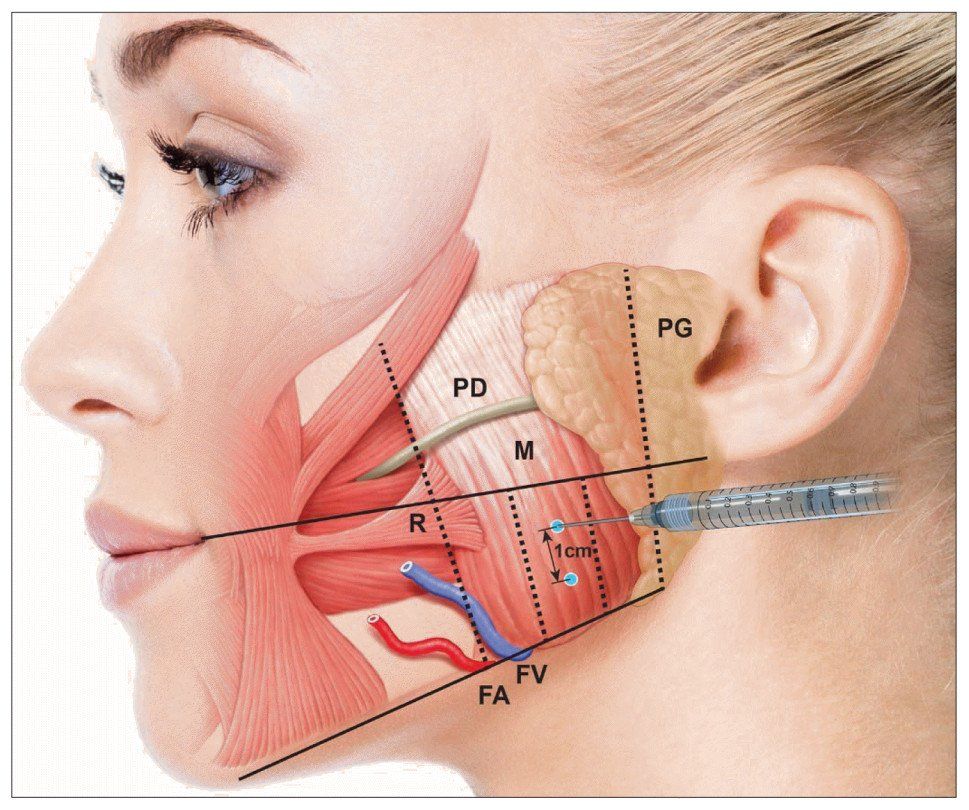
Therapeutic Botox (neuromodulators)

Precise Botox injections into the masseter muscles to reduce muscle spasms, clenching and pain. Effect within days, lasting 3 to 6 months. Learn more →

Physiotherapy and exercises

Mandibular mobilization exercises, muscle relaxation techniques, ultrasound and transcutaneous electrical nerve stimulation (TENS). Dr Benguira refers to physiotherapists specialized in TMJ when needed.

Orthodontic treatment

If a malocclusion contributes to the problem, orthodontic treatment can rebalance the bite and improve the distribution of forces on the TMJ. The approach is careful and personalized.

Custom occlusal splint for TMJ treatment

Custom occlusal splint

Nighttime protection against bruxism

Therapeutic Botox injection in the masseter muscle for TMJ

Therapeutic Botox (masseter)

Reduction of muscle spasms

How to relieve TMJ pain - 5 effective treatment options

Relieving your TMJ pain at home

In addition to your treatment, these measures can help relieve TMJ symptoms:

  • Soft foods Choose tender foods and chew slowly. Avoid hard, sticky foods and chewing gum
  • Moist heat Apply a warm moist compress to the painful area for 15-20 minutes
  • Rest position Keep your teeth slightly apart (lips closed, teeth separated) to relax the TMJ muscles
  • Stress management Stress is a major factor in TMJ disorders. Relaxation techniques, meditation or breathing exercises
  • Posture Maintain good head and neck posture, especially in front of the computer
  • Anti-inflammatories Ibuprofen (Advil) or naproxen (Aleve) as directed, to reduce pain and inflammation
  • Sleep Ensure quality sleep. Avoid sleeping on your stomach (pressure on the jaw)

Why consult Dr Benguira for your TMJ disorders?

Orthodontists are the best-trained specialists to diagnose and treat TMJ disorders, thanks to their unique expertise in:

  • Dental occlusion In-depth training on how teeth mesh together and its impact on the TMJ
  • Jaw function Understanding of jaw biomechanics and its movements
  • On-site 3D imaging CBCT scanner available directly in the clinic for immediate diagnosis
  • Complete range of treatments Occlusal splint, therapeutic Botox, orthodontics and multidisciplinary coordination

Dr Benguira takes a comprehensive multidisciplinary approach, coordinating as needed with specialized physiotherapists, maxillofacial surgeons and other professionals for complete management of your TMJ disorders.

Dr Benguira - TMJ and orthodontics specialist in St-Eustache

Your questions about TMJ disorders

Do TMJ disorders heal on their own? +

Some mild TMJ disorders may improve on their own, but most require treatment to prevent worsening. The good news: the majority of patients experience significant improvement within 3 months with appropriate treatment. Without treatment, bruxism can wear down teeth and joint problems can worsen over time.

How long does TMJ disorder treatment last? +

Duration varies depending on the cause and severity. Some patients feel relief within weeks with an occlusal splint. Therapeutic Botox takes effect within days. For more complex cases involving malocclusion, orthodontic treatment lasting several months may be recommended. A personalized plan will be established during your consultation.

Is the occlusal splint uncomfortable? +

There is a short adjustment period of a few days. The splint is custom-made from precise impressions of your teeth and should never be painful. It is thin and adjusted to allow a regular bite. If you feel any discomfort, we will adjust it during a follow-up visit.

Is Botox effective for TMJ pain? +

Yes, therapeutic Botox is very effective for TMJ muscular disorders. Injected into the masseter muscles, it reduces clenching force, relieves muscle spasms and decreases bruxism-related headaches. The effect lasts 3 to 6 months and can be renewed. Dr Benguira, a university instructor in injection techniques, has complete mastery of this approach.

When should I consult for jaw pain? +

Consult as soon as you experience persistent jaw pain, difficulty opening your mouth, clicking accompanied by pain, frequent headaches upon waking or abnormal tooth wear. The earlier the diagnosis is made, the more effective conservative treatments are and the faster the relief.

Can orthodontics fix my TMJ problems? +

If a malocclusion contributes to your TMJ disorders, orthodontic treatment can improve the distribution of forces on the joint and relieve symptoms. However, every case is different and orthodontics alone is not always sufficient. Dr Benguira evaluates whether orthodontic treatment is indicated for your specific situation.

Is jaw clicking serious? +

Painless jaw clicking is common and doesn't always require treatment. However, if accompanied by pain, locking or limited opening, it may indicate an articular disc displacement that warrants evaluation. Early diagnosis helps prevent worsening.

Every day without treatment is one more day of unnecessary pain.

90% of our patients experience significant improvement. Diagnostic 3D CBCT imaging on-site, personalized treatment plan from the first visit.

Call now: 450.983.4233 Book online

Consultation fees apply for super-specialized care (TMJ, sleep apnea, neuromodulators).

Related services

Therapeutic Botox

Learn more →

Sleep apnea

Learn more →

Adult orthodontics

Learn more →

Dr David Benguira

Orthodontiste certifié avec plus de 20 ans d'expérience, Dr Benguira a complété sa formation en orthodontie à l'Université de Montréal après un doctorat en médecine dentaire. Spécialiste reconnu sur la Rive-Nord, il combine expertise clinique et technologies de pointe pour offrir des résultats exceptionnels à chaque patient.

Ordre des dentistes du Québec Association des orthodontistes du Québec Invisalign Certified LightForce Certified
En savoir plus sur Dr Benguira →
Orthodontic treatment chair