Frequently Asked Questions
Quickly find answers to your orthodontic questions
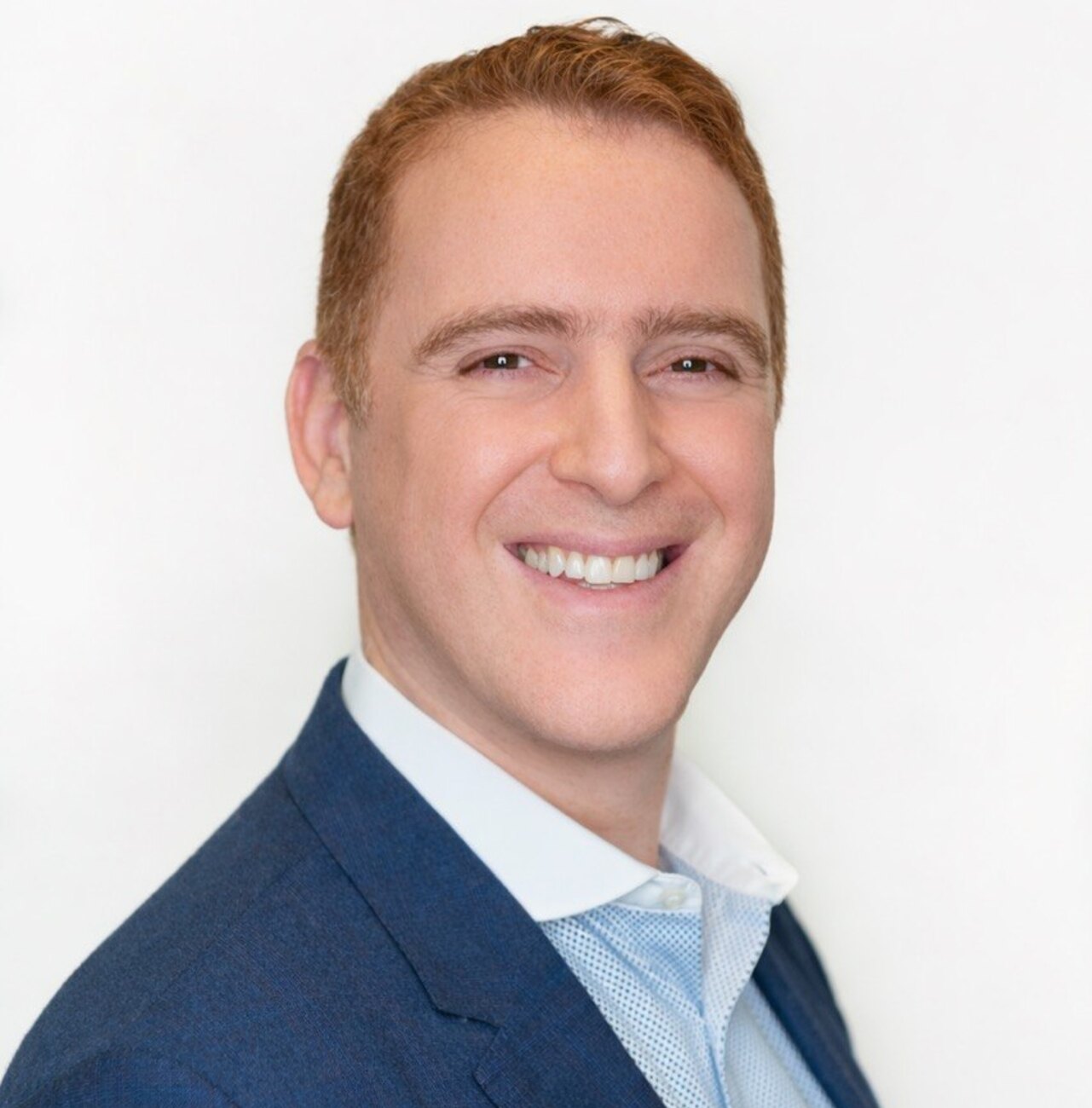
All answers below are validated by Dr David Benguira, FRCD(C), board-certified orthodontist and specialist.
First visit and consultation
The American Association of Orthodontists (AAO) recommends a first orthodontic evaluation at age 7. At this age, the first permanent molars and incisors are generally in place, allowing the orthodontist to detect potential growth, spacing or bite problems early. Early screening doesn't necessarily mean immediate treatment, but it allows planning the best time to intervene if necessary.
Yes, the first orthodontic consultation is entirely free with no obligation. It includes a complete examination of your teeth and bite, a preliminary evaluation of your orthodontic needs, an estimate of the type of treatment suited to your situation, and an open discussion about your goals and concerns. It is the ideal opportunity to ask all your questions. Note: consultation fees apply for super-specialized care (TMJ, sleep apnea, neuromodulators).
No, no referral is necessary. You can book an appointment directly with our clinic. Of course, we work closely with your general dentist throughout your treatment to ensure optimal oral health care.
The first visit lasts approximately 45 to 60 minutes and proceeds in several steps: warm welcome and medical questionnaire, thorough clinical examination of your teeth, jaw and bite, digital imaging if necessary (X-rays, 3D scan), detailed discussion of diagnosis and treatment options, and time reserved to answer all your questions. You will leave with a clear understanding of your situation and possible next steps.
Treatments available
Our clinic offers a complete range of modern orthodontic treatments: traditional metal braces (the most effective and economical), ceramic braces (aesthetic, nearly invisible), SPARK and Invisalign clear aligners (removable and discreet), lingual orthodontics (braces placed behind the teeth, 100% invisible), temporary anchorage mini-screws (TADs) for complex movements, accelerated orthodontics (reduced treatment time), palatal expansion, mandibular advancement appliances (MAA) for sleep apnea, as well as therapeutic and aesthetic neuromodulators. Dr Benguira will recommend the most suitable option for your situation after a thorough examination.
The choice depends on several factors. Clear aligners (SPARK, Invisalign) are removable, nearly invisible, allow eating without restrictions and make hygiene easier. They are suitable for mild to moderate cases and require great discipline (20-22h/day of wear). Braces (metal or ceramic) are permanently fixed, very effective for complex cases, don't depend on patient compliance and offer precise control of movements. During your free orthodontic consultation, Dr Benguira will evaluate your specific case and guide you to the best option based on complexity, your lifestyle and aesthetic preferences.
TADs are very small screws made of biocompatible titanium, 1 to 2 mm in diameter, temporarily placed in the jaw bone to serve as a fixed anchor point. They allow dental movements that would otherwise be impossible without surgery: tooth intrusion, complex space closure, occlusal plane correction. Placement is quick (5 to 10 minutes) under local anesthesia, virtually painless, and the screws are easily removed at the end of treatment.
Yes, orthodontics plays an important role in managing sleep apnea. Mandibular advancement appliances (MAA), such as the Panthera appliance, reposition the lower jaw forward during sleep to keep the airways open. Additionally, rapid palatal expansion in children and adolescents can increase nasal airway volume and improve breathing. Dr Benguira works with sleep specialists to offer a multidisciplinary approach adapted to each patient.
Accelerated orthodontics encompasses techniques that reduce treatment duration by 30 to 50%. Micro-osteoperforations (MOPs) are tiny perforations made in the alveolar bone to stimulate bone remodeling and accelerate tooth movement. High-frequency vibration devices complement these techniques by stimulating the biological response. These methods are particularly interesting for adult patients who want to minimize their treatment duration.
Duration, costs and insurance
Duration varies depending on case complexity. Mild cases (minor spacing, slight misalignment) generally require 6 to 12 months. Moderate cases (crowding, bite problems) take 12 to 24 months. Complex cases (skeletal problems, extractions, surgery) can extend to 24 to 36 months. During your consultation, Dr Benguira will give you a precise estimate based on your particular situation.
Each case is unique and the cost varies depending on the type of treatment, complexity of the problem and estimated duration. That's why we offer a free initial orthodontic consultation during which we will present a detailed treatment plan with a precise and transparent cost, no surprises. We will also explain all available financing options to make treatment accessible.
We believe that cost should never be a barrier to a beautiful smile. We offer interest-free monthly payment plans spread over the treatment duration, a discount for full payment at the start of treatment, and a family discount when multiple family members are in treatment simultaneously. Our team will help you find the best formula for your budget.
Several dental insurance plans cover part of orthodontic treatments. For children, partial coverage is often included in family plans. For adults, coverage is rarer but increasingly common. Additionally, the Canadian Dental Care Plan (CDCP) 2025 may offer additional coverage for eligible patients. Our administrative team will verify your coverage and help you maximize your insurance benefits.
Frequency depends on the type of treatment. With braces (metal or ceramic), adjustment appointments are every 4 to 8 weeks. With clear aligners (SPARK, Invisalign), check-up visits are spaced 8 to 12 weeks apart, making it a particularly convenient option for busy patients. Each appointment generally lasts 20 to 30 minutes.
Children and teens
Interceptive orthodontics (or Phase 1) is an early treatment performed in children ages 7 to 11, before all permanent teeth are in place. It aims to correct growth problems while the jaws are still developing. Techniques used include palatal expansion to widen a narrow palate, functional appliances to guide mandibular growth, and corrective appliances for habits (thumb sucking, tongue thrust). Early intervention can simplify or eliminate the need for more complex treatment during adolescence.
Yes, thumb or pacifier sucking becomes problematic when it persists beyond ages 4-5. It can cause an anterior open bite (upper and lower teeth no longer touch at the front), a narrow and deep palate, protrusion of upper incisors, and swallowing and speech problems. If your child hasn't stopped this habit, consult us: we offer gentle approaches and specific appliances that help break the habit while correcting damage already done.
Placing braces is completely painless. After placement or adjustments, it is normal to feel mild discomfort for 1 to 3 days, similar to a feeling of pressure or sensitivity. This discomfort is easily managed with a mild analgesic (ibuprofen or acetaminophen). Orthodontic wax provided free of charge helps prevent lip and cheek irritation at first. The vast majority of patients adapt very quickly and discomfort decreases considerably after the first few days.
Absolutely yes! Playing sports is perfectly compatible with orthodontic treatment, provided you wear a mandatory mouthguard during contact sports or sports with impact risk (hockey, football, basketball, martial arts, etc.). We recommend an orthodontic mouthguard specially designed to fit over braces. It is available at our clinic. Investing in a good mouthguard prevents costly repairs and protects both teeth and the appliance.
Yes, clear aligners are suitable for motivated and disciplined teenagers. The key to success is rigorous wear of 20 to 22 hours per day — aligners are only removed for eating, drinking (other than water) and brushing teeth. Modern systems include compliance indicators (small colored dots built into the aligners) that fade with wear, allowing parents and the orthodontist to verify if aligners are being worn properly. Dr Benguira will evaluate your teenager's maturity and motivation before recommending this option.
Orthodontics for adults
It is never too late to improve your smile and oral health. Today, more than 30% of our patients are adults, and we regularly treat patients in their 30s, 40s, 50s and older. As long as your gums and bone are healthy, orthodontics is possible at any age. Discreet options like clear aligners and lingual orthodontics make treatment practically invisible to your professional and social circle.
Duration is generally similar to a teenager's for a comparable case. Adult bone is denser and remodeling may be slightly slower, but this is often offset by better compliance and more rigorous hygiene. Additionally, accelerated orthodontics techniques (MOPs, vibrations) are available for adults who wish to significantly reduce their treatment duration.
Yes, it is entirely possible. Crowns (caps) can receive brackets bonded with a special adhesive adapted for porcelain or metal surfaces. Dental implants don't move because they are osseointegrated (fused to the bone) — they can even serve as anchor points to move adjacent teeth. Dr Benguira uses special techniques to work safely around existing restorations. An adapted treatment plan will be developed during your consultation.
Aligners are nearly invisible in most social and professional situations. Made of ultra-thin transparent medical plastic, they perfectly follow the shape of your teeth. At a normal conversation distance, the vast majority of people won't notice you're wearing aligners. Some small composite attachments (tooth-colored bumps) may be placed on a few teeth to improve treatment effectiveness, but they remain very discreet.
If you are already in treatment, it can continue without any problem during pregnancy. However, we generally recommend postponing the start of a new treatment until after delivery. The reasons: initial X-rays needed for diagnosis should be avoided during pregnancy, hormonal changes can affect the gums (pregnancy gingivitis), and the patient's overall comfort is a priority. Don't hesitate to consult for an evaluation — we can plan your treatment for the postpartum period.
Hygiene and care
Hygiene is crucial with braces. Brush your teeth 4 times a day (after each meal and before bed) with a soft toothbrush. Angle the brush at 45 degrees to clean above and below each bracket. Use interdental brushes to access between wires and under brackets. Complete with a Waterpik (water flosser) to dislodge food debris in hard-to-reach areas. Dental floss with a threader or special orthodontic floss completes the routine. Our team will provide you with a complete hygiene kit and show you the techniques at placement.
Clean your aligners daily with lukewarm water (never hot!) and a dedicated soft toothbrush with a little mild liquid soap. A deeper cleaning once a week with specific cleaning crystals is recommended. Never use hot or boiling water as this would irreversibly warp the plastic. Also avoid toothpaste (too abrasive, it scratches and clouds the aligners) and colored mouthwash (risk of staining). Always rinse your aligners before putting them back in your mouth.
Yes, absolutely! Clinical studies show that the Waterpik (water flosser) is up to 3 times more effective than traditional dental floss at removing plaque around brackets and under orthodontic wires. It deep-cleans areas inaccessible to the brush, massages the gums and reduces the risk of gingivitis. We highly recommend it as a complement to the toothbrush and interdental brushes. It is a valuable investment for your gum health throughout treatment.
White spots (decalcification) are the result of insufficient hygiene around brackets. They are caused by plaque buildup that demineralizes the enamel — and unfortunately, they are permanent. The good news: they are 100% preventable with a good hygiene routine. Rigorous brushing after each meal, interdental brushes, Waterpik, and avoiding sugary and acidic drinks are the keys to keeping perfect enamel. Our team closely monitors hygiene at every visit.
Diet and restrictions
Some foods can damage your braces and should be avoided. Hard foods: whole nuts, ice cubes, hard candy, croutons, popcorn. Sticky foods: caramels, soft candy (gummies, licorice), chewing gum. Bite-into foods: whole apples, whole raw carrots, corn on the cob (cut them into pieces instead). Basic rules: cut into small pieces, chew with your back teeth and avoid biting directly into foods with your incisors.
No, you must always remove your aligners to eat and drink anything other than plain room-temperature water. Water is the only drink allowed with aligners in your mouth. Hot drinks warp the plastic, sugary or acidic drinks seep under the aligners and promote cavities, and colored drinks (coffee, tea, wine) stain the aligners. After each meal, brush your teeth before putting the aligners back in. The major advantage: no food restrictions since you eat without the aligners.
The first few days after placement or an adjustment, your teeth will be sensitive to pressure. Choose soft and comforting foods: oatmeal, smoothies, mashed potatoes, yogurt, creamy soups, applesauce, well-cooked pasta, fish, scrambled eggs, ripe bananas and ice cream. Avoid foods that require a lot of chewing. Sensitivity gradually decreases and you can resume a normal diet (following the mentioned restrictions) generally after 3 to 5 days.
Orthodontic emergencies
A loose bracket is generally not a medical emergency, but it needs to be repaired quickly to avoid delaying treatment. While waiting for your appointment: apply orthodontic wax on the bracket to prevent it from irritating your cheeks or lips. If the bracket is completely detached from the wire, keep it and bring it to your appointment. Contact our clinic as soon as possible to schedule a repair. Avoid hard and sticky foods in the meantime.
This is one of the most common and easy-to-manage situations. First option: apply a piece of orthodontic wax on the end of the poking wire to create a protective barrier. Second option: use the round end of a pencil eraser to gently push the wire back against the tooth. As a last resort, if the wire is very long and causing injury: a small sterilized nail clipper can be used to cut the end of the wire. Contact the clinic for an adjustment appointment.
True orthodontic emergencies are rare but require immediate attention. They include: facial trauma with damage to teeth or the appliance following an accident or impact, severe pain that doesn't respond to over-the-counter analgesics, signs of infection (significant swelling, fever, pus), or an orthodontic wire embedded in the gum causing bleeding. In these cases, contact our clinic immediately. Outside business hours, go to the hospital emergency room for serious trauma.
Don't panic, here are the steps to follow. If you still have the previous aligner, put it back in your mouth immediately to prevent your teeth from shifting. If the previous one is no longer available, you can move to the next aligner in your sequence, as long as it fits well (without excessive pressure or pain). In all cases, contact our clinic quickly to inform us and receive personalized instructions. Never go without an aligner for more than a few hours, as teeth can shift quickly.
Advanced technology
CBCT (Cone Beam Computed Tomography) is an imaging technology that produces a complete three-dimensional view of your teeth, jaws, sinuses and airways. Unlike traditional 2D X-rays, CBCT allows viewing structures from all angles, precisely measuring distances and volumes, and planning dental movements with unmatched accuracy. The scan takes only 20 to 40 seconds and emits up to 90% less radiation than a traditional medical scanner (CT scan). It is a valuable diagnostic tool for complex cases.
The intra-oral scanner is a miniature 3D camera passed over your teeth to create an ultra-precise digital model of your dentition. No more uncomfortable and unpleasant impression paste (alginate)! The scan is fast (5 to 10 minutes), comfortable, and produces a 3D digital model you can see in real time on the screen. This model is used for the precise fabrication of your aligners, retainers and any other personalized orthodontic device.
Micro-osteoperforations (MOPs) are an innovative technique that accelerates tooth movement by 30 to 50%. The procedure involves creating tiny perforations in the alveolar bone around the teeth to be moved, thus stimulating the local inflammatory response and bone remodeling. The procedure is quick, performed under local anesthesia and virtually painless. Combined with high-frequency vibration devices used at home, this approach considerably reduces the total treatment duration — particularly appreciated by adult patients.
3D digital planning uses sophisticated software like ClinCheck (Invisalign) and Approver (SPARK) to simulate your entire treatment before it even begins. You can see the expected final result on screen: the position of each tooth, step by step, from start to finish. This visualization allows Dr Benguira to refine the plan, anticipate complex movements and optimize every detail. For the patient, it's an extraordinary source of motivation — you know exactly what your smile will look like.
Retention and post-treatment
The retention phase is absolutely crucial and is an integral part of your treatment. Once braces are removed or aligners are completed, teeth naturally tend to return to their original position — this is called the elastic memory of periodontal tissues. To maintain the results achieved, a retainer is essential. Options include the Essix retainer (thin clear retainer worn at night) and the fixed lingual wire (small wire bonded behind the front teeth, invisible and permanent). Dr Benguira will recommend the most suitable option for your case.
The answer is simple and important: for life, every night. This is the golden rule of orthodontic retention. Teeth have a natural tendency to shift throughout life, even years after treatment. Wearing your retainer every night takes a few seconds and protects the time and money investment of your treatment. The fixed lingual wire stays in place permanently and requires regular monitoring during your dental visits. Never neglect retention: it's the guarantee of a lasting smile.
Contact our clinic immediately. Without your retainer, teeth can start shifting in just a few days. The longer you wait, the more teeth may move and the harder (and costlier) it will be to correct the situation. Replacement generally costs between $150 and $300 depending on the type of retainer. If your fixed wire partially detaches, avoid playing with it with your tongue and schedule an appointment quickly for re-bonding. Quick action prevents any relapse.
Yes, and it's even the ideal time! After removing braces, we recommend waiting 2 to 4 weeks for the enamel to rehydrate and the gums to return to an optimal state. Then, you have two options: at-home whitening using your retainers as trays for the whitening gel (practical and economical), or professional whitening in the clinic for faster and more intense results. It's the perfect complement to your new aligned smile.
Neuromodulators and Botox
Botox (botulinum toxin) has many therapeutic applications related to orthodontics. It is used to relieve pain from TMJ disorders (temporomandibular joint) by relaxing hyperactive masticatory muscles, to treat bruxism (teeth grinding) by reducing the contraction force of the masseter muscles, and to correct a gummy smile by relaxing the upper lip elevator muscle. Dr Benguira, a university instructor in facial aesthetics, has in-depth expertise in these techniques.
In addition to orthodontic treatment, neuromodulators allow complete harmonization of the smile and face. Applications include: correction of smile asymmetry, treatment of expression lines (forehead, crow's feet, frown lines), lip flip (slight eversion of the upper lip for a more harmonious smile), and reshaping of the face's oval. Dr Benguira's expertise in maxillofacial anatomy ensures natural and balanced results, perfectly coordinated with your orthodontic treatment.
The session takes place in two steps. First, a 15 to 20-minute evaluation consultation where Dr Benguira analyzes your face at rest and in motion, discusses your goals and develops a personalized treatment plan. Then, the injection session itself takes only 10 to 15 minutes. Injections are performed with ultra-fine needles, discomfort is minimal (comparable to a mosquito bite). No recovery period is necessary — you can resume your activities immediately. First results appear in 3 to 5 days, with optimal effect at 2 weeks.
Yes, botulinum toxin is one of the safest and most studied aesthetic treatments in the world, with over 30 years of documented clinical use. It is approved by Health Canada for therapeutic and aesthetic applications. Effects are temporary (3 to 6 months), reversible, and complications are extremely rare when injections are performed by a qualified professional. Dr Benguira's expertise in maxillofacial anatomy and specific training in injection techniques ensure safe and precise treatment.
All three products are neuromodulators based on botulinum toxin type A and produce comparable results. Botox (onabotulinumtoxinA) is the best-known and most widely used brand in the world. Dysport (abobotulinumtoxinA) spreads slightly more and may be preferred for larger areas (forehead). Xeomin (incobotulinumtoxinA) is a purified form without accessory proteins, which reduces the risk of developing resistance. Dr Benguira will choose the most suitable product for your situation and the area to be treated.
Orthodontists offer Botox because it is a natural extension of their expertise in the muscles, bone, and aesthetics of the lower face. Orthodontists have unmatched anatomical knowledge of the jaw, the muscles of mastication, and the proportions of the smile. Dr. Benguira is a university trainer in Botox and dermal filler injection techniques, having trained dozens of dentists and orthodontists in advanced injection protocols.
Botox temporarily blocks the nerve signal that tells a muscle to contract, causing the muscle to relax for 3 to 6 months. Botox specifically targets dynamic wrinkles — those that appear when you frown, smile, or squint — rather than static wrinkles caused by skin aging. After the treatment period, nerve function gradually returns and the muscle resumes normal activity. The effect is fully reversible, with no permanent change to facial structure.
Botox is used to treat TMJ pain and bruxism by injecting small doses into the masseter muscles to reduce their clenching force. This reduces muscle pain, decreases nighttime grinding, protects teeth and dental work from wear, and can soften a square jawline as a secondary aesthetic benefit. Therapeutic masseter Botox typically lasts 3 to 6 months and is often combined with a custom occlusal splint.
Yes. Botox can correct a gummy smile when the cause is an overactive upper lip elevator muscle. A small dose of Botox softens the upward pull of the lip, reducing the amount of gum tissue visible when smiling. Results appear within 5 to 10 days and last 3 to 4 months. Gummy smiles caused by tooth or gum proportions require different treatment, such as gingival recontouring or orthodontics.
The most commonly treated areas with Botox are the frown lines (glabella), forehead lines, crow's feet, brow lift, bunny lines, lip flip, smoker's lines, masseter for jaw slimming, chin dimpling, and platysmal neck bands. Each area requires precise dosing tailored to your facial anatomy. At Centre Orthodontique Rive-Nord, we focus on conservative, natural-looking results that preserve facial expression while smoothing dynamic wrinkles.
No. Botox injections are very well tolerated, with ultra-fine needles that produce a brief pinching sensation lasting only a few seconds. No anesthesia is required, although a topical anesthetic cream can be applied on request. The entire procedure takes 15 to 30 minutes with no downtime. Most patients describe the discomfort as minimal.
Botox effects typically last 3 to 6 months, depending on the area treated, your metabolism, and the dose injected. With regular treatments, the duration tends to extend over time as muscles gradually adapt to remaining relaxed. Therapeutic doses in larger muscles like the masseter often last longer than aesthetic doses in smaller facial muscles.
No. Properly dosed Botox preserves your facial expressions while smoothing dynamic wrinkles. The frozen look is the result of overdosing, not the product itself. We use a conservative approach with precise doses that soften lines while maintaining natural muscle movement. The goal is a rested, refreshed appearance — not a transformed one.
There is no fixed age to start Botox, but many patients begin preventive Botox in their thirties before lines become permanent. Preventive Botox limits the repetitive muscle contractions that etch wrinkles into the skin, slowing the visible aging process. The decision is individual — at the consultation, we assess whether Botox is appropriate for you based on your skin, muscle activity, and goals.
No. Botox is not recommended during pregnancy or breastfeeding as a precaution. Although no harmful effects have been demonstrated, the conservative approach is to wait until after this period before resuming aesthetic Botox treatments. We screen for pregnancy and breastfeeding status before every treatment.
TMJ disorders
TMJ refers to the temporomandibular joint itself, while TMD refers to disorders affecting that joint or its muscles. Every person has two TMJs, one in front of each ear, where the lower jaw connects to the skull. TMD (temporomandibular disorder) is the medical term for any condition causing pain, dysfunction, or noises in this joint or in the chewing muscles. Patients often say "I have TMJ," but the accurate term is TMD.
The most common symptoms of TMD are jaw pain, clicking or popping when opening the mouth, headaches especially in the morning, earaches without infection, and difficulty chewing. Other symptoms include jaw locking, facial pain, neck and shoulder tension, ringing in the ears (tinnitus), and a feeling that the bite has changed. Symptoms typically fluctuate and worsen during periods of stress. You should be able to fit three fingers vertically between your teeth when opening fully — less than that may indicate TMD.
TMJ pain is caused by a combination of factors, most commonly teeth grinding (bruxism), jaw clenching, malocclusion, stress, and parafunctional habits. Less common causes include direct trauma to the jaw, arthritis of the joint, internal disc displacement, sleep disorders such as sleep apnea, and postural problems. In most patients, several factors combine, which is why diagnosis and treatment must be individualized. TMD is three times more common in women aged 20 to 50.
Orthodontists have advanced training in occlusion, jaw mechanics, and the muscles of mastication, which makes them uniquely suited to diagnose and treat TMD. A general dentist can identify worn teeth from grinding but rarely treats the underlying joint problem. A family physician can prescribe pain medication but cannot address the bite. An orthodontist evaluates how the teeth, jaw, joint, and muscles function together and offers reversible, non-surgical treatments that target the cause.
TMD is diagnosed through a clinical examination, a detailed medical history, and 3D imaging when needed. The clinical exam includes palpation of the joints and chewing muscles, listening for joint noises, measurement of jaw opening (normal is at least 4 cm), and analysis of the bite. At Centre Orthodontique Rive-Nord, we use an on-site 3D CBCT scanner to visualize the bony structures of the joint and detect arthritis or condylar abnormalities.
The main types of TMD are myofascial pain syndrome, articular disc displacement, TMJ osteoarthritis, and TMJ arthritis. Myofascial pain syndrome is the most common and involves muscle tension and limited opening. Disc displacement can be reducible (with clicking) or non-reducible (with locking). Osteoarthritis involves cartilage degeneration and typically resolves within 6 months with treatment. Arthritis can be rheumatoid, infectious, or traumatic.
First-line treatment for TMD is conservative and includes a custom occlusal splint, behavioural changes, physiotherapy, and anti-inflammatory protocols. When indicated, treatment can also include therapeutic Botox injections into the masseter muscles, bite adjustment, or orthodontic correction of an underlying malocclusion. Surgery is reserved for fewer than 5% of cases that fail all other options. The majority of patients improve significantly within 3 months.
No. Over 90% of TMD patients improve with conservative, non-surgical treatment. Surgery is considered only for specific structural problems — such as severe disc displacement or advanced joint degeneration — that have not responded to splint therapy, physiotherapy, and behavioural management. The vast majority of patients never require surgical intervention.
Most patients with TMD experience meaningful improvement within 3 months of starting treatment. Acute symptoms often improve within the first 2 to 4 weeks of wearing a custom splint. Therapeutic Botox produces effects within a few days. Chronic or complex cases involving malocclusion may require several months of orthodontic treatment. A personalized plan is established at the consultation.
Yes. A custom occlusal splint is significantly more effective than a pharmacy night guard. Pharmacy night guards are generic protective barriers that prevent enamel wear but do not reposition the jaw or unload the joint. A custom splint is fabricated from precise impressions of your teeth, is thin, and adjusted to allow regular occlusion. It relaxes muscles, decompresses the joint, and reduces symptoms.
Yes. Therapeutic Botox is highly effective for muscular TMD. Injected into the masseter muscles, Botox reduces clenching force, relieves muscle spasms, and decreases bruxism-related headaches. The effect lasts 3 to 6 months and can be renewed. Therapeutic Botox is often combined with a custom occlusal splint for best results.
Orthodontic treatment can correct an unstable bite that contributes to TMD, but it is not a guaranteed cure on its own. The standard protocol is to stabilize symptoms first with splint therapy and conservative care. Once symptoms are controlled, orthodontics can address the structural cause when an unstable occlusion is identified. This sequenced approach gives the most predictable long-term outcome.
Painless jaw clicks are common and usually do not require treatment, but clicks accompanied by pain or jaw locking should be evaluated. A click without pain often reflects a minor disc movement that does not progress. When clicking is associated with pain, locking, or limited opening, it may indicate articular disc displacement that warrants assessment. Early diagnosis prevents progression.
Sleep apnea
Obstructive sleep apnea is a condition where the airway repeatedly collapses during sleep, briefly cutting off breathing. Each pause in breathing deprives the brain of oxygen and triggers a micro-arousal that fragments sleep. Untreated OSA increases the long-term risk of high blood pressure, cardiovascular disease, stroke, type 2 diabetes, and motor vehicle accidents. Patients with untreated OSA have approximately twice the all-cause mortality risk.
The most common warning signs of sleep apnea are loud snoring, witnessed pauses in breathing during sleep, gasping or choking at night, morning headaches, and excessive daytime sleepiness. Other signs include dry mouth on waking, difficulty concentrating, irritability, unrefreshing sleep despite sufficient hours in bed, and frequent nighttime urination. Approximately 70% of stroke victims also have sleep apnea, and patients with untreated OSA have three times the risk of motor vehicle accidents.
Yes. Pediatric obstructive sleep apnea is more common than parents realize and is highly treatable when caught early. Warning signs in children include chronic mouth breathing, restless sleep, bedwetting beyond age 5, behavioural problems, ADHD-like symptoms, poor school performance, a narrow palate, and crowded teeth. Early orthodontic intervention — palatal expansion in particular — can dramatically improve airway function and prevent adult OSA.
The ideal window to treat pediatric airway problems is between ages 6 and 11, while the upper jaw is still developing. During this developmental window, palatal expansion can widen the upper jaw, improve nasal breathing, create more room for the tongue, and reduce the risk of obstructive sleep apnea later in life. Early evaluation is recommended around age 7, in line with the American Association of Orthodontists guidelines.
No. Sleep apnea must be diagnosed by a sleep physician through a formal sleep study (polysomnography), either in a sleep lab or with a home test. At our practice, we screen for OSA clinically using validated questionnaires (STOP-BANG and Epworth) and evaluate the airway. When findings suggest OSA, we refer to a sleep physician for the formal diagnosis. Once a diagnosis is confirmed, we provide treatment with a custom oral appliance.
A mandibular advancement device (MAD) is a custom-made oral appliance worn at night that gently holds the lower jaw forward to keep the airway open. By advancing the mandible, the device pulls the tongue and soft tissues of the throat forward, preventing airway collapse. At Centre Orthodontique Rive-Nord, we use the Panthera oral appliance — fabricated from a 3D scan, ultra-thin, silent, and travel-friendly. Mandibular advancement devices are first-line therapy for mild to moderate OSA and an effective alternative for patients who cannot tolerate CPAP.
Yes. The Panthera appliance is custom-fabricated from a 3D scan to be ultra-thin, lightweight, and remarkably comfortable. An adaptation period of 1 to 2 weeks is normal. The appliance is progressively titrated (gradually adjusted) to find the optimal degree of jaw advancement for comfort and effectiveness. Most patients forget they are wearing it within a few weeks.
CPAP is more effective for severe sleep apnea, but oral appliances often produce better real-world health outcomes for mild to moderate OSA because patient adherence is much higher. Approximately 50% of patients abandon CPAP within 3 years. Oral appliances are smaller, silent, travel-friendly, and far better tolerated. For mild to moderate OSA, clinical studies show comparable effectiveness, and the higher adherence rate of an oral appliance often leads to better long-term cardiovascular outcomes.
Most private extended health plans cover oral appliances for sleep apnea when prescribed after a positive sleep study. Coverage typically ranges from 50% to 100% of the device cost, depending on the plan. The cost is generally lower than orthodontic treatment. Our administrative team provides all the documentation required for reimbursement and verifies coverage before treatment begins.
Common short-term side effects include jaw soreness, tooth tenderness, increased salivation, and dry mouth, which usually resolve within 2 to 4 weeks. Long-term wear can cause minor changes in the bite over years of use. We monitor this at every follow-up appointment and adjust the appliance when needed. The cardiovascular and quality-of-life benefits of treating OSA far outweigh these minor risks.
With simple maintenance, a Panthera oral appliance lasts 3 to 5 years. Daily rinsing with water and storing in its case is sufficient for routine care. Follow-up visits every 6 months allow us to check for wear and maintain optimal effectiveness. The Panthera is significantly more durable than CPAP components, which often require frequent replacement.
No. Pharmacy snoring devices are not recommended because they may mask snoring without treating an underlying sleep apnea. Snoring can be the only visible sign of serious obstructive sleep apnea.
Lip fillers
A dermal filler is a gel injected under the skin to restore volume, smooth wrinkles, and redefine facial contours; the most commonly used type is hyaluronic acid. Hyaluronic acid is a substance naturally present in your skin that maintains hydration, elasticity, and volume. With age, natural HA production decreases, leading to volume loss and the appearance of wrinkles and folds. HA fillers restore this lost volume in a subtle, natural way. Results are visible immediately, with the final result appreciated after 2 weeks.
Smile aesthetics depend on the harmony between teeth, gums, and lips, so an orthodontist who understands all three is uniquely positioned to deliver complete results. Orthodontists understand the ideal smile arc, lip-tooth relationship, and dental proportion in ways most aesthetic providers do not. Treating lips in this context produces results that complement the smile rather than compete with it. As a university trainer in injection techniques, Dr. Benguira combines this expertise with advanced injection protocols.
The areas most commonly treated with hyaluronic acid at our practice are the lips, nasolabial folds, and perioral region. Lip treatment includes volume enhancement, lip border definition, asymmetry correction, and deep hydration — lasting 8 to 12 months. Nasolabial folds (the lines from the nose to the mouth corners) last 12 to 18 months. The perioral region (smoker's lines and marionette lines) lasts 10 to 14 months.
The lip filler procedure takes 30 to 45 minutes and uses an HA filler with built-in lidocaine for comfort. After consultation and facial analysis, we select the optimal HA product for your goals. We inject using either a needle or a cannula technique, depending on the area and desired effect. The integrated lidocaine in the product ensures optimal comfort. A topical anesthetic cream can also be applied for sensitive patients.
Lip filler injections are well tolerated thanks to the lidocaine integrated in the product. Lips are sensitive, but most patients describe the sensation as light pressure rather than pain. For very sensitive areas, a topical anesthetic cream can be applied beforehand. The use of cannulas in some techniques further reduces discomfort and bruising.
Properly dosed lip fillers produce natural, balanced results that respect your facial proportions. We follow a conservative approach based on your individual anatomy and the principles of facial harmony. The overfilled appearance is always the result of excessive injection, never the product itself. We typically recommend starting subtle — you can always add more, but reversing aggressive results requires another procedure.
Lip fillers last 8 to 12 months on average. Lips are highly mobile, which metabolizes filler faster than other facial areas. Nasolabial folds last 12 to 18 months and the perioral region 10 to 14 months. Your individual metabolism and lifestyle (exercise level, sun exposure) also influence the duration.
Yes. Hyaluronic acid lip fillers are 100% reversible with an enzyme called hyaluronidase. This is one of the major safety advantages of HA fillers over permanent fillers, surgical implants, or fat grafting. If you are unhappy with the result, the filler can be safely dissolved within hours. Hyaluronidase is also kept on site at all times in case of a vascular complication. Permanent fillers are not used at our clinic for this reason.
The side effects of lip fillers are generally mild and temporary, including swelling, redness, sensitivity, and minor bruising at the injection site. These effects resolve within 24 to 72 hours. Lips tend to swell more than other treated areas, which is normal due to the rich vascularization of the region. Serious complications are extremely rare with a qualified practitioner. Maximum swelling occurs in the first 48 hours and decreases by 20 to 30% by the second day.
Yes. There is no contraindication to lip fillers during orthodontic treatment with braces or Invisalign. We typically time filler sessions between aligner changes or away from major orthodontic adjustment appointments to minimize compounding swelling. The two treatments are fully compatible and many patients value coordinating both at one trusted clinic. Avoid major dental work for 2 weeks after a filler session.
Yes, and the combination is recommended for complete facial rejuvenation. Botox treats dynamic wrinkles in the upper face (forehead, frown lines, crow's feet) while fillers restore volume in the mid and lower face (lips, nasolabial folds, cheeks). Both treatments can be performed in the same session for harmonious overall results. Aligned teeth, balanced muscle activity, and a refreshed lip frame work together for what we call a complete smile transformation.
Botox relaxes muscles to soften dynamic wrinkles, while dermal fillers add volume to areas that have lost it; they are complementary, not interchangeable. Botox is best for forehead lines, frown lines, and crow's feet — wrinkles caused by repeated muscle contraction. Fillers are best for lips, nasolabial folds, and cheeks — areas where volume has been lost. The combined approach offers the most complete and harmonious rejuvenation results.
For dermal fillers, pricing is per syringe (typically 1 mL) and provided in a written estimate at your consultation. We provide flexible financing options and verify private insurance coverage in advance.
Still have questions?
Free orthodontic consultation • Personalized diagnosis
Related services
Dr David Benguira
Certified orthodontist with over 20 years of experience, Dr Benguira completed his orthodontic training at the Université de Montréal after a doctorate in dental medicine. A recognized specialist on the North Shore, he combines clinical expertise and cutting-edge technology to deliver exceptional results for every patient.